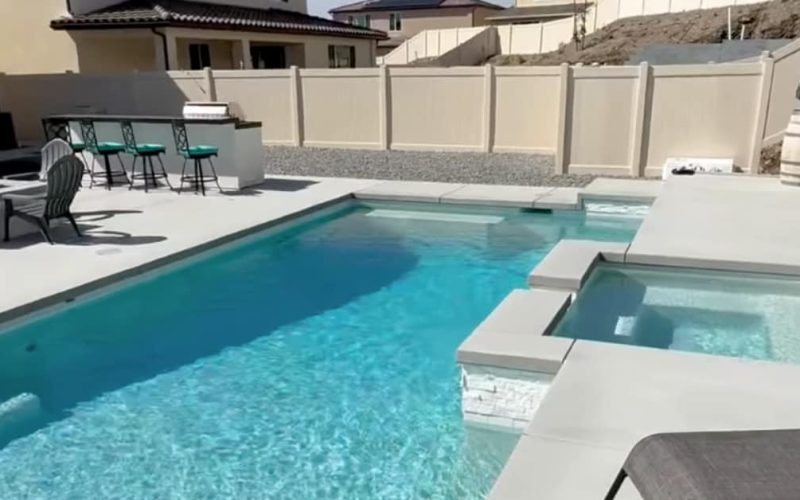
The Art of Monolithic Pour Pool Coping by Majestic Pool Construction
When homeowners in California are designing a custom pool, the focus often goes straight to the pool shape, water features, or interior finish. One detail that quietly defines the final look, durability, and feel of a pool, however, is the coping. At Majestic Pool Construction, Obie Rodriguez offers a premium option known as monolithic pour coping—a technique that creates a clean, seamless transition between the pool shell and surrounding deck.
This method is not just a stylistic upgrade. It is a construction choice that affects the long-term performance, aesthetics, and maintenance of the pool environment. Understanding how monolithic pour coping works, how it differs from traditional coping installation, and what California homeowners should consider before choosing it is essential when planning a high-end custom pool.
What Is Monolithic Pour Pool Coping?
Monolithic pour coping is a construction technique where the pool coping and the surrounding concrete deck edge are poured at the same time as a single, continuous concrete application. Instead of installing separate coping stones or precast pieces around the pool perimeter, the coping becomes part of one unified concrete structure.
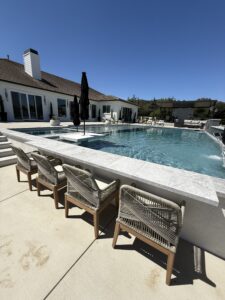
This process creates a smooth, uninterrupted edge that flows naturally from the pool to the deck. There are no visible joints between coping pieces, no grout lines, and no breaks in the material. The result is a modern, architectural look that feels intentional and refined.
At Majestic Pool Construction, this approach is carefully planned and executed to ensure proper thickness, reinforcement, and finish, aligning both form and function.
How Monolithic Pour Coping Differs from Standard Coping Installation
Traditional pool coping installation typically involves placing individual coping materials—such as natural stone, pavers, or precast concrete—around the edge of the pool shell. These pieces are installed after the pool structure is complete and are usually set with mortar or adhesive.
Monolithic pour coping differs in several important ways.
Standard coping is segmented, meaning each piece has joints where movement, settling, or weather exposure can eventually cause separation or unevenness. Monolithic coping, by contrast, creates a continuous edge that visually reads as one element.
Traditional coping materials offer flexibility in color and texture, but they introduce seams that interrupt the visual flow. Monolithic pours prioritize a sleek, minimal appearance that complements modern and custom pool designs.
Installation timing is also different. Standard coping is added as a later step in construction, while monolithic pour coping requires precision planning early in the build process. Forms, reinforcement, and expansion considerations must be accounted for before the pour occurs.
This difference in process is why experience matters. A monolithic pour is not something that can be easily corrected once completed, making craftsmanship a critical factor.
The Clean, Seamless Look Homeowners Love

One of the most compelling reasons homeowners choose monolithic pour coping is the visual result. The seamless edge creates a sense of continuity that elevates the entire pool area.
Without joints or coping breaks, the pool feels more integrated into the landscape and hardscape design. This is especially appealing for contemporary homes, minimalist outdoor spaces, and custom luxury pools where clean lines are a priority.
The smooth transition also allows for custom shaping. Rounded edges, subtle curves, and tailored overhangs can be formed directly into the pour, giving designers and builders greater creative freedom.
For homeowners looking to achieve a resort-style or high-end architectural aesthetic, monolithic pour coping delivers a polished finish that traditional coping materials often cannot replicate.
Structural Integration and Design Benefits
Beyond appearance, monolithic pour coping offers a sense of structural integration. Because the coping and deck edge are poured together, they function as a unified system rather than separate components.
This integration can help reduce certain types of movement that occur when different materials expand and contract at different rates. When properly reinforced and jointed, a monolithic pour creates a stable perimeter that supports both the pool shell edge and the deck surface.
It also simplifies the visual hierarchy of the space. Instead of multiple materials competing for attention, the eye is drawn to the waterline, pool interior, and surrounding environment.
This approach pairs well with custom concrete finishes, decorative saw cuts, and modern decking designs that emphasize geometry and proportion.
Important Considerations Before Choosing Monolithic Pour Pool Coping
While monolithic pour coping offers significant aesthetic advantages, it is not the right solution for every project. Homeowners should understand the considerations involved before committing to this style.
Concrete, by nature, is susceptible to cracking. Because monolithic pour coping is a continuous structure, cracks—if they occur—can be more noticeable than in segmented coping systems where joints naturally break up the surface.
Proper reinforcement, control joints, and expert installation significantly reduce this risk, but it cannot be eliminated entirely. Environmental factors such as soil movement, temperature fluctuations, and ground conditions all play a role.
Repair considerations are also different. If damage occurs, repairing a monolithic section may be more involved than replacing an individual coping stone. This makes quality workmanship from the start especially important.
Additionally, homeowners looking for highly textured or multi-material coping styles may prefer traditional options. Monolithic pours excel in clean, modern designs rather than rustic or heavily patterned aesthetics.
Why Experience Matters with Monolithic Pour Installation
Executing a monolithic pour coping installation requires technical precision and experience. Formwork must be exact. Reinforcement placement must be strategic. The concrete mix, curing process, and finishing techniques all directly impact the outcome.
Obie Rodriguez and the team at Majestic Pool Construction understand that this is not just a pour—it is a detailed process that blends engineering with design. Timing, weather conditions, and site preparation all influence success.
An experienced builder knows where to place control joints to manage expansion, how to reinforce stress points, and how to finish the surface so it complements the overall pool design.
This level of expertise is what transforms monolithic pour coping from a risky option into a refined, high-performance feature.
Is Monolithic Pour Coping Right for Your Pool Project?
Choosing monolithic pour coping comes down to priorities. Homeowners who value seamless design, modern aesthetics, and architectural cohesion often find it to be the perfect fit.
Those who prefer interchangeable materials, more straightforward spot repairs, or highly decorative coping styles may lean toward traditional installation methods.
Understanding how you use your outdoor space, the design style of your home, and long-term maintenance expectations will help guide the decision. Consulting with a builder who offers both options ensures the recommendation is based on what works best for your specific project—not a one-size-fits-all solution.
Frequently Asked Questions: Designing the Perfect Pool Edge
What type of pools work best with monolithic pour coping?
Monolithic pour coping is ideal for custom concrete pools, modern designs, and projects where a seamless transition between pool and deck is desired.
Does monolithic coping crack more than traditional coping?
Concrete can crack if not properly reinforced or jointed. With expert installation, cracking risks are minimized, but they cannot be completely eliminated.
Can monolithic pour coping be customized?
Yes. Shape, thickness, edge profiles, and surface finishes can all be customized during the forming and finishing process.
Is monolithic coping more expensive than standard coping?
Costs vary by project. While material costs may be similar, labor and expertise can make monolithic pours a premium option due to the skill involved.
How long does monolithic pour coping last?
With proper installation and maintenance, monolithic pour coping can last for decades and age gracefully alongside the pool structure.
Ready to Design a Seamless Pool Experience?
If you’re planning a new custom pool or pool remodel in southern California (SoCal) and want a clean, modern edge that feels intentional and refined, monolithic pour coping may be the perfect solution. Majestic Pool Construction, in California, led by Obie Rodriguez, brings the expertise needed to design and execute this advanced coping method with precision and care.
Contact Majestic Pool Construction today to explore whether monolithic pour coping is right for your California pool project and take the first step toward a seamless, high-end outdoor space designed to last.