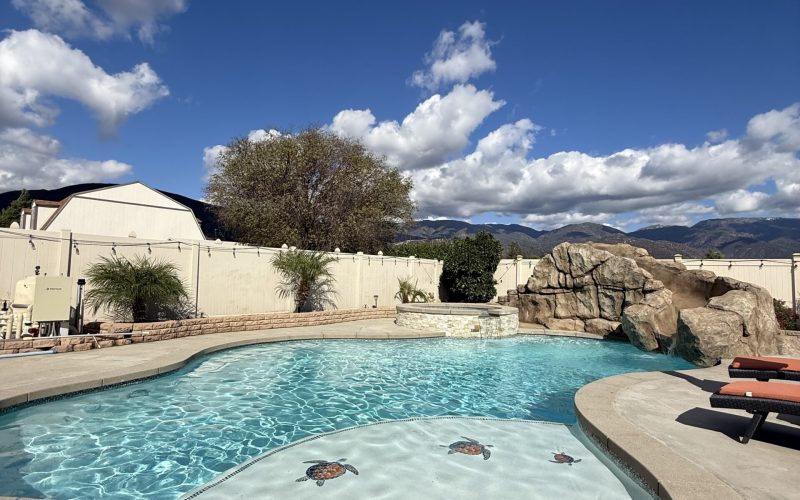
Shopping for a pool feels a little like shopping for a car. You can grab something off the lot that gets the job done, or you can build one designed around exactly how you live. Both work. But when it comes to custom inground pools versus standard packages, the difference goes deeper than the price tag.
If you’re trying to figure out which route makes sense for your backyard, here’s a straightforward breakdown to help you decide.
Key Takeaways
- Standard pool packages offer pre-set shapes, sizes, and features at lower price points
- Custom inground pools are designed around your specific yard, home, and lifestyle
- The biggest differences show up in design flexibility, material quality, and long-term value
- Standard packages work well for simple builds, while custom pools shine in unique yards or high-end homes
- Choosing between the two depends on your goals, your property, and how you plan to use the space
Breaking Down the Standard Pool Package
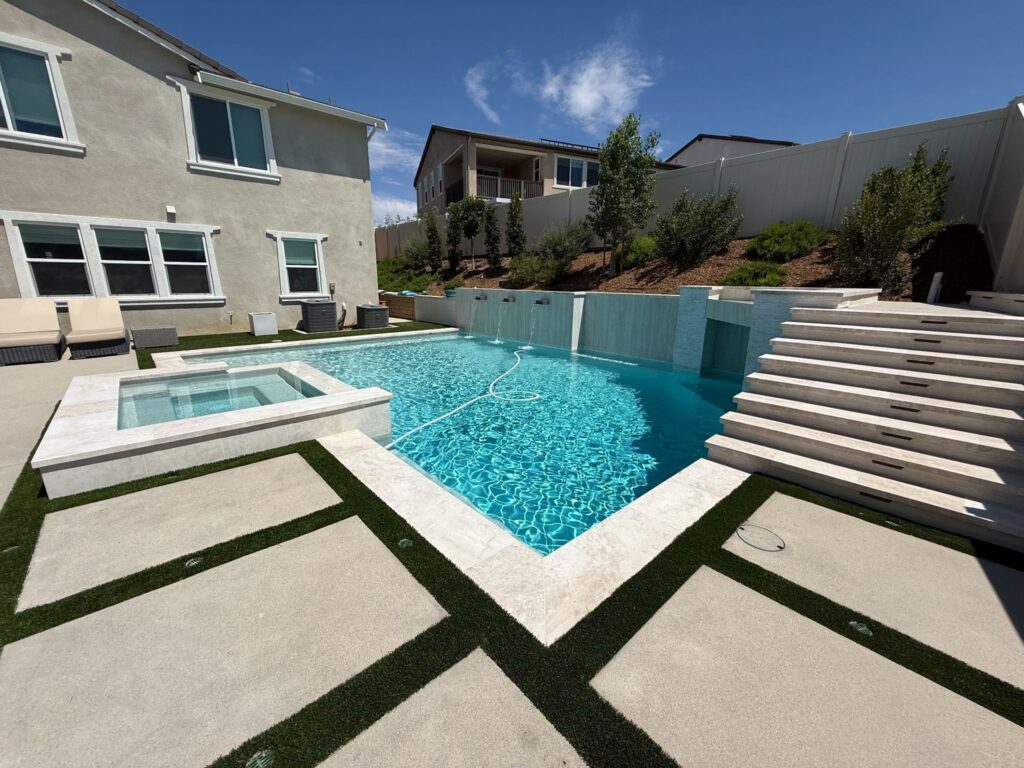
Standard pool packages are pre-designed builds that come with a fixed set of options. Think of them as the “menu” of the pool world. You pick from a handful of shapes (rectangle, kidney, freeform), choose a size from set dimensions, and select finishes from a limited list.
These packages are popular because they’re:
- Faster to build since the plans are already drawn up
- More affordable upfront because there’s less design work involved
- Easier to budget for with predictable pricing
- Simpler to approve with HOAs or permitting offices in straightforward neighborhoods
For homeowners with a flat, rectangular yard and a clear vision that fits within the standard options, this route can work just fine. But there’s a catch. When you compare in-ground pool packages vs custom pools, you start to see where the limits show up.
How Custom Builds Change the Game
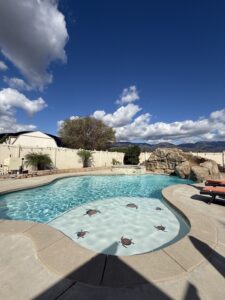
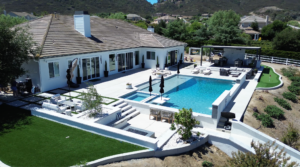
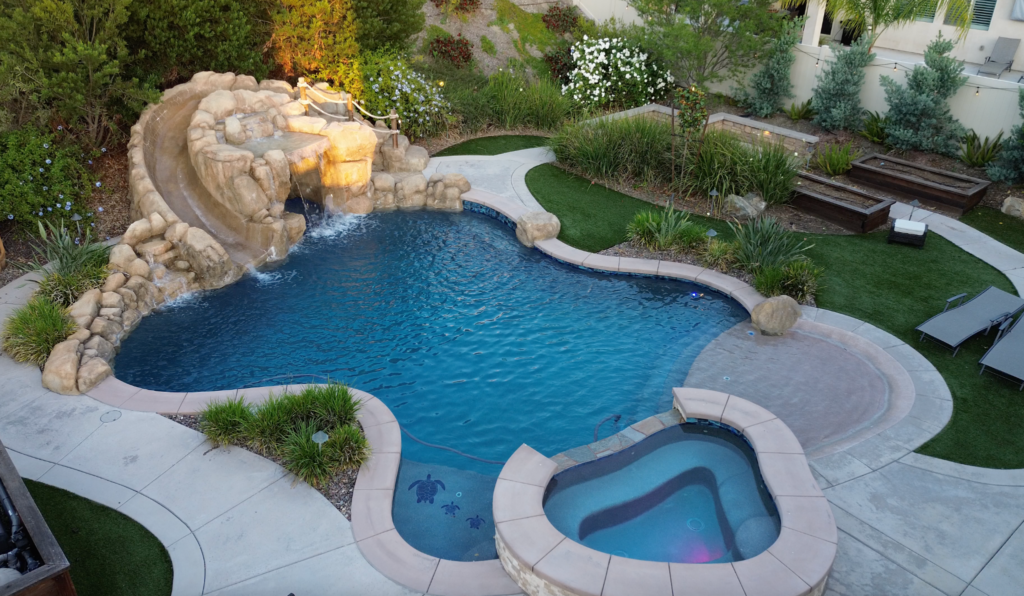
Custom inground pool designs start with a blank slate. Instead of fitting your yard around a pool template, the pool is shaped around your yard, your home, and how you actually plan to live with it.
That means everything is on the table:
- Shape, depth, and size built to your space
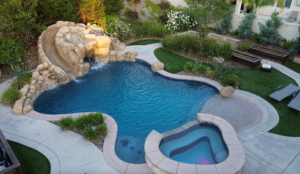
- Tanning ledges, swim-up bars, integrated spas, and beach entries
- Custom tile work, waterline details, and finish materials
- Water features like waterfalls, bubblers, or spillways
- Fire features, lighting, and automation systems
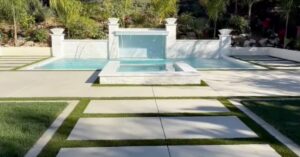
- Coping, decking, and material choices that match the rest of your home
A custom pool builder doesn’t just install what fits. They design something that belongs.
The Trade-Offs of Going Standard
Standard packages have their place, but they come with real trade-offs. Some you’ll feel right away. Others show up years later.
Common limitations include:
- Limited shape and size options that may not fit oddly shaped yards
- Basic finishes that look fine but lack the visual depth of higher-end materials
- Minimal customization for equipment, lighting, or automation upgrades
- Less integration with patios, outdoor kitchens, or landscaping
- Resale value plateaus since the build doesn’t feel tailored to the property
If your yard has a slope, an awkward layout, or a view you want to frame, standard packages tend to fight against the space instead of working with it.
What You Actually Gain with Custom
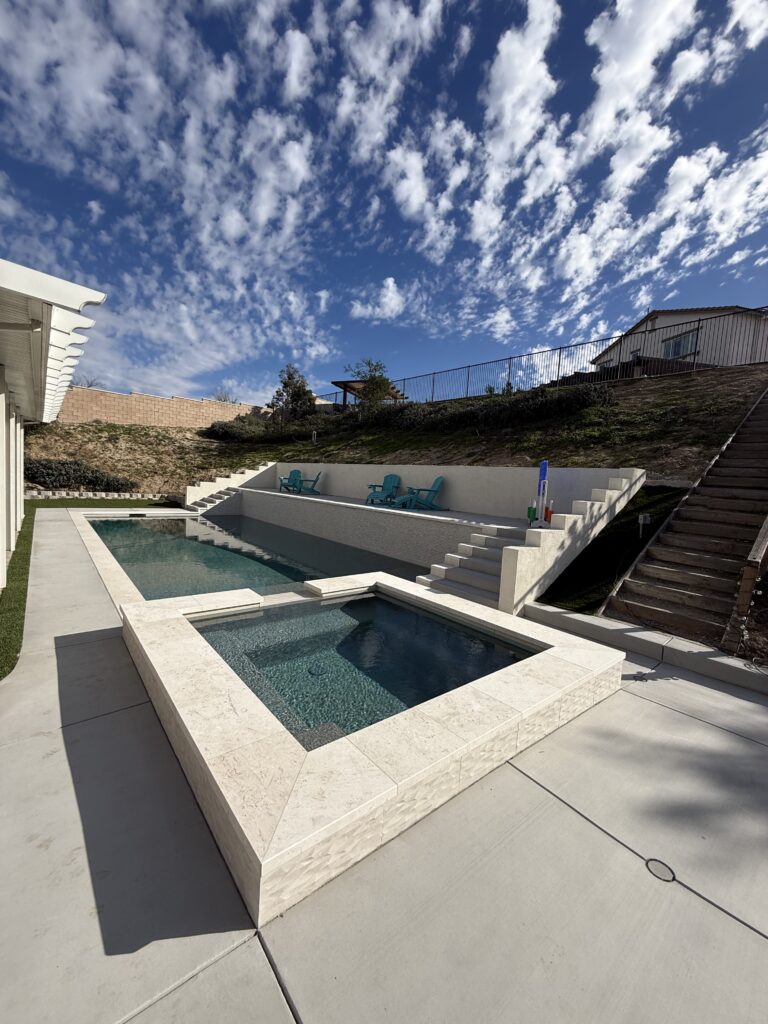
Custom swimming pool options give you room to design for how you actually live. A family with young kids might want a wide, shallow shelf for splashing. Someone who entertains often might prioritize a swim-up bar and lounge seating. A homeowner with a hillside lot might want an infinity edge that disappears into the view.
Custom builds also let you think long-term. You can plan for:
- Energy-efficient equipment that saves money over the years
- Automation systems that control lighting, temperature, and water features from your phone
- Material upgrades like pebble finishes, glass tile, and natural stone coping
- Future additions like outdoor kitchens or covered patios that connect to the pool seamlessly
A well-designed new pool construction project treats the pool as one piece of a bigger backyard plan, not a standalone feature dropped into the dirt.
Why Materials Matter More Than You Think
One of the biggest differences between standard and custom builds comes down to what the pool is actually made of. Standard packages tend to use baseline materials that meet code and look acceptable. Custom builds open the door to a much wider range of pool materials, finishes, coping, and decking that affect both how the pool looks and how it holds up over time.
Higher-end finishes resist staining, hold their color longer, and feel better underfoot. The right coping pulls the whole design together. The decking ties the pool into the rest of your outdoor space. These choices aren’t just cosmetic. They affect maintenance, longevity, and how the pool ages.
Finding the Right Fit for Your Backyard
There’s no universal winner here. It really depends on your situation.
A standard package might be the right call if:
- Your yard is flat, simple, and rectangular
- You want a pool primarily for swimming and cooling off
- Budget is the top priority
- You’re planning to sell soon and want a functional addition
Custom inground pools tend to make more sense if:
- Your yard has unique features, slopes, or limited space
- You’re planning to stay in the home long-term
- You want the pool to feel like part of the home’s architecture
- You’re investing in the full backyard experience, not just a place to swim

A Few Things to Think Through First
A few things to think about before signing anything:
- How will I use this pool day to day, not just on weekends?
- Does my home and yard call for a tailored design, or is something simpler fine?
- What’s my budget for the next 10 to 15 years, not just the build itself?
- Do I want a contractor who installs pools, or one who designs them?
Wrapping It Up
Standard packages and custom inground pools both have their place. The right choice depends on your yard, your home, and how much the design matters to you.
If you’re leaning toward a custom build and want to talk through what’s possible for your space, get in touch for a consultation. A good conversation early on can save you from settling for something that doesn’t quite fit.